
Acquire
Create more qualified demand and customer opportunities.
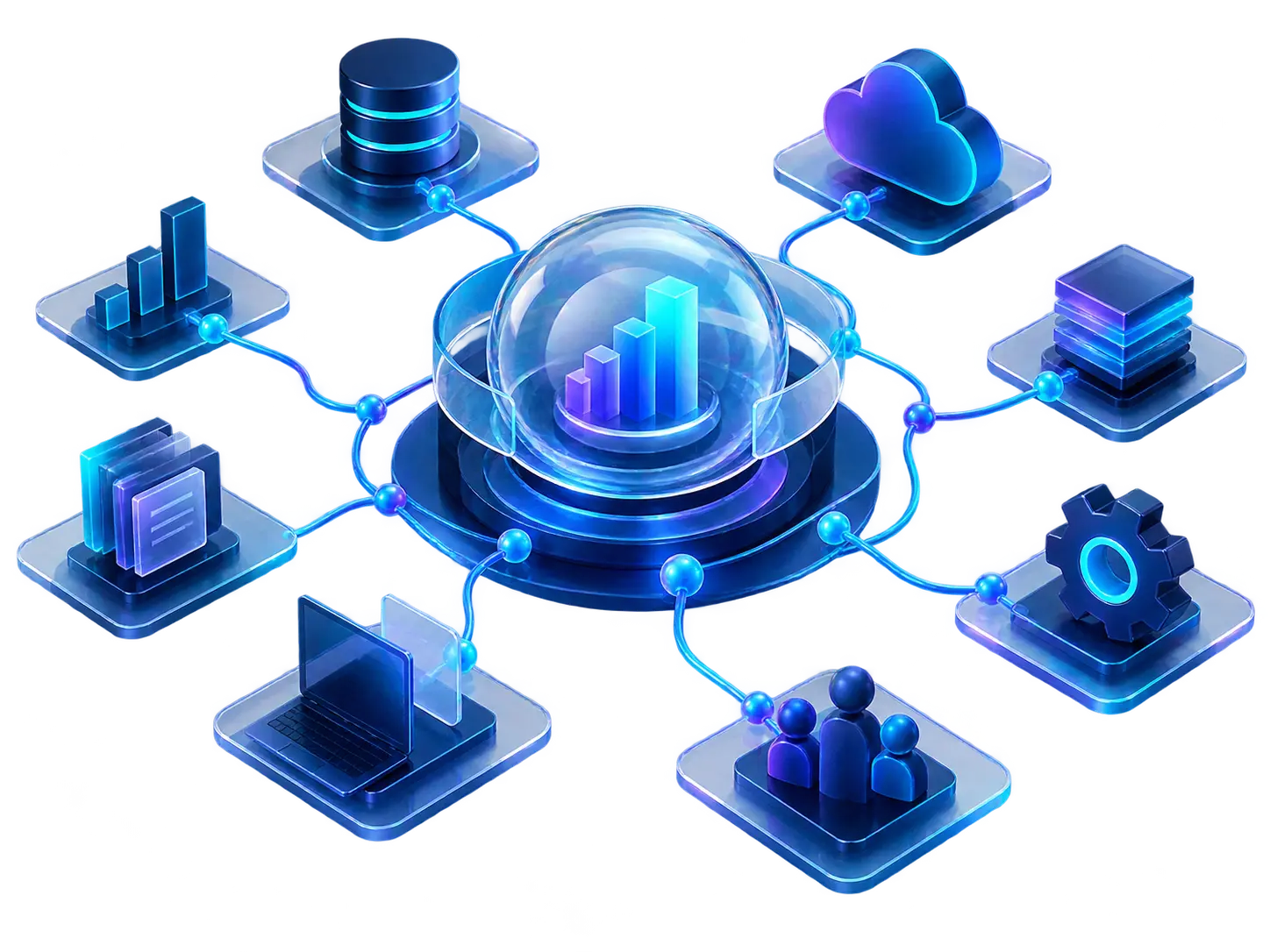
Edense Growth OS is the operating model behind our work. It connects business outcomes, customer journeys, technology, marketing, customer data, AI and operations so the organisation can diagnose leakage, prioritise investment and improve performance as one system.
The system is designed around the number that needs to move—not around a channel, platform or isolated project.
Create more qualified demand and customer opportunities.
Remove friction between intent, response and revenue.
Use customer intelligence to keep relationships active.
Increase repeat revenue and customer lifetime value.
Each framework answers a different management question. Together they move the organisation from diagnosis to architecture, execution and continuous commercial improvement.
The master operating model aligns customer journeys, capabilities, technology, data, execution and management decisions around the result the organisation needs to move.
Use when growth activity is fragmented across teams, channels or platforms.A structured diagnosis compares the intended business outcome with customer evidence, operational reality and system performance to identify the constraint with the greatest commercial consequence.
Use before transformation, platform selection or a major growth investment.The engine connects acquisition, conversion, retention and expansion so the business can balance immediate demand with repeat behaviour, customer value and sustainable economics.
Use when acquisition is active but conversion, retention or lifetime value remains weak.This architecture links front-stage experience with identity, data, platforms, workflows and accountable teams so context survives every transition across the journey.
Use when customers repeat information, channels conflict or internal handoffs create delay.A shared measurement loop connects evidence to interpretation, decision rights, execution and learning. It ensures reporting changes priorities instead of becoming a retrospective dashboard exercise.
Use when reporting is extensive but management action and commercial learning remain slow.Every organisation acquires, converts, retains, expands and optimises in different ways. Growth OS connects these motions so performance in one stage strengthens the next rather than creating isolated activity.
A transaction reveals only one moment. By connecting identity, behaviour, value and engagement over time, the business can build a more relevant relationship and improve long-term customer economics.
The customer growth engine connects identity, transactions, engagement and value over time. It helps the business understand who the customer is, what has happened and what should happen next.
Acquisition becomes the beginning of the relationship—not the end of the funnel.

The customer sees one experience, but delivering it requires strategic choices, platforms, data, workflows, teams and measures to operate in coordination.
Define the commercial objective and priorities.
Shape the journey customers need to complete.
Build the platforms and connections required.
Create identity, context and intelligence.
Operate marketing, CRM, automation and workflows.
Learn where value moves and where it leaks.
We use a disciplined sequence to move from an observed business issue to a connected operating system. Each stage makes the next investment decision clearer and more accountable.
Teams can retain specialist measures, but leadership needs a shared view of the commercial outcome. A connected scorecard links daily activity to conversion, retention, customer value, efficiency and profitability.
Most organisations already possess valuable platforms, people and data. We identify where those assets fail to connect, then close the gaps that prevent them from producing their full commercial value.
Most businesses do not need another disconnected tool. They need their people, platforms, data and execution to work together around a shared outcome.
Edense identifies the growth gap, assembles the right capabilities and builds the connections required to close it.
Start with the commercial result. Then connect the capabilities required to move it.
Start a Conversation ↗